The Victorian Legacy at Fota
Fota Island holds one of Ireland's finest collections of Victorian-era botanical specimens. It's a living museum that's been quietly developing since the 1820s. The gardens weren't created overnight — they've evolved through decades of careful curation and planting decisions.
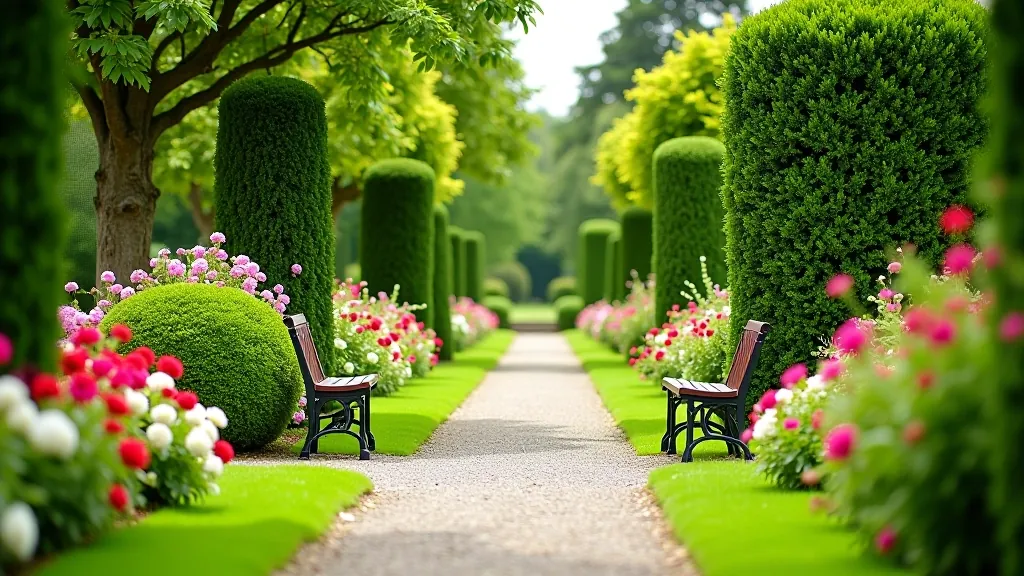
What makes Fota different is how accessible it is. You don't need specialist knowledge to appreciate these plants. Walking through the gardens, you'll see everything from rare specimen trees to everyday flowering shrubs arranged in thoughtful compositions. The layout guides you naturally from one collection to the next.
The main collections focus on exotic and temperate species that thrive in Cork's mild maritime climate. The plant labels are clear and informative — they'll tell you the botanical name, origin, and sometimes the story of how that particular specimen arrived at Fota. It's the kind of detail that makes a garden visit stick with you.
The Tree Walks: A Guided Journey
The arboretum contains over 1,000 specimen trees from across the globe. Don't just wander randomly — follow the established paths. You'll encounter towering conifers, sculptural Japanese maples, and ancient oaks that have stood for generations.
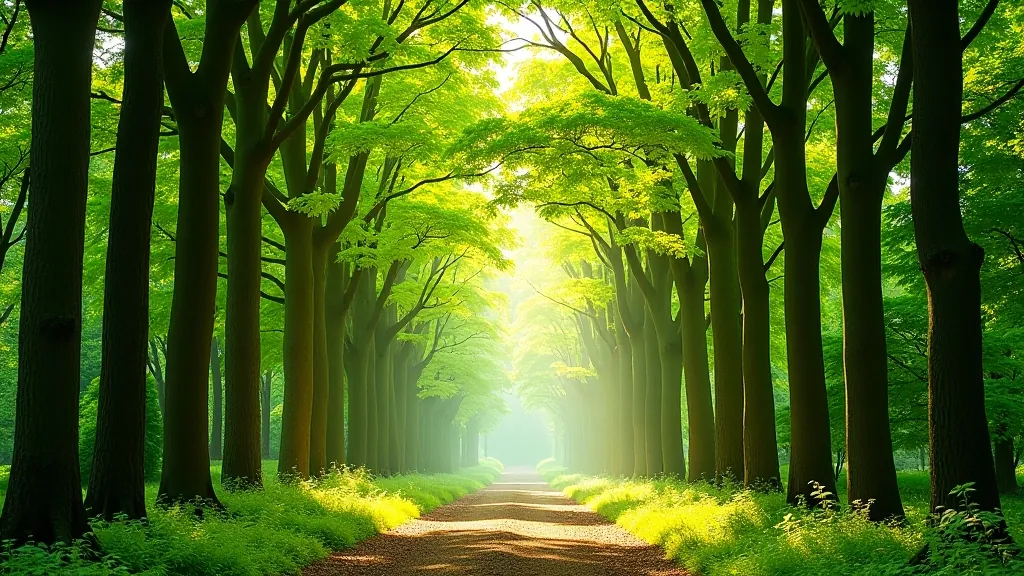
The North Lawn area offers the most dramatic tree groupings. Here you'll find mature specimens planted close enough to create a forest canopy effect. The shade they provide is genuine relief on warmer days. Walking underneath is like stepping into a different world — cooler, quieter, more contemplative.
- Start from the visitor center and work your way outward rather than trying to see everything at once
- Bring a camera or sketch pad — the tree formations are genuinely photogenic
- Wear comfortable shoes; the ground can be uneven under tree cover
Visit Information
This guide is educational and based on current garden conditions. Opening hours, facilities, and accessibility features may change seasonally. Always check the official Fota Island Wildlife Park website for current details before planning your visit. Some areas may have restricted access during conservation work.
Seasonal Displays: When Color Peaks
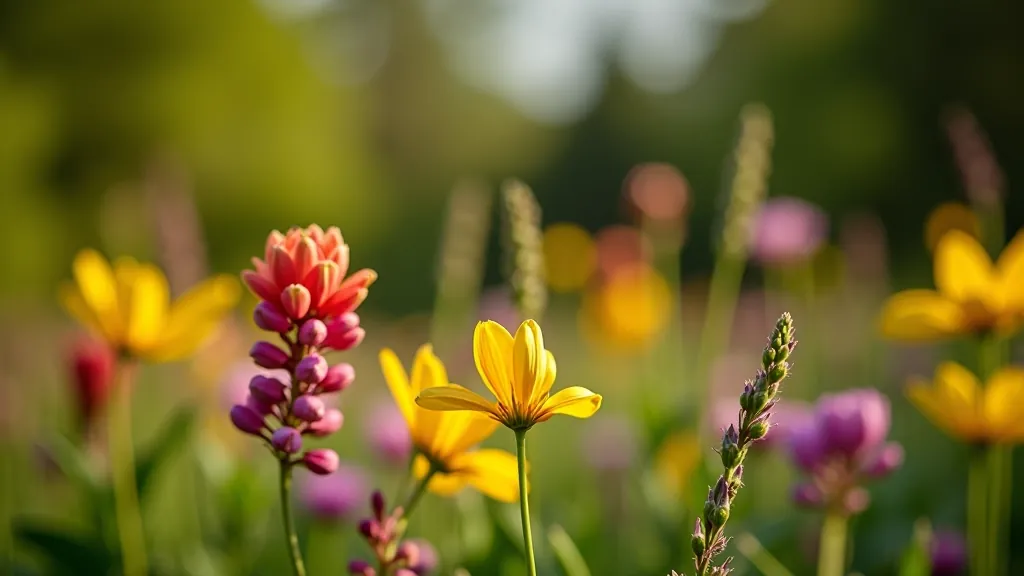
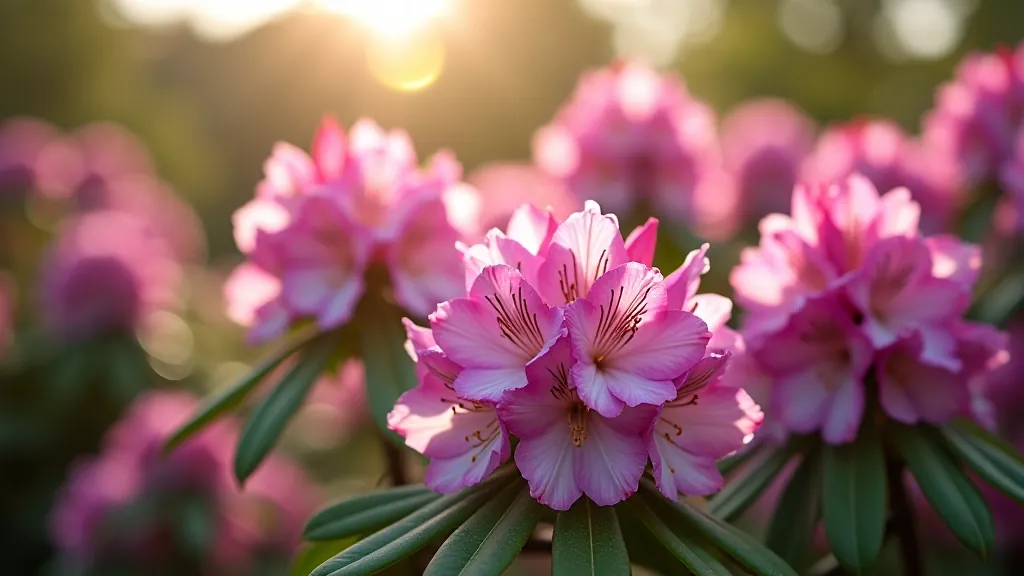
Timing your visit right makes all the difference. Spring brings the rhododendrons and azaleas — these aren't subtle flowers. They dominate the landscape with intense reds, purples, and pinks. From late April through May, whole sections of the garden are almost otherworldly in their color saturation.
Summer shifts the focus to perennials and tender exotics. The Mediterranean collection becomes particularly photogenic, with silvery foliage plants providing contrast to the flowering displays. By August, it's quieter — fewer crowds, but plenty to see if you know where to look.
Autumn offers something different entirely. The Japanese maple collection becomes the star attraction. These trees were planted specifically for their fall color, and they don't disappoint. Burnt oranges, deep reds, and golden yellows create natural compositions that photographers return to year after year.
Key Collections You Shouldn't Miss
The Palm Collection
Tender palms thriving in sheltered microclimates. These aren't the tropical varieties you'd expect in Ireland — they're hardy species that've adapted to Cork's climate over decades.
Specimen Trees from Asia
Japanese maples, Chinese dogwoods, and Korean firs. These trees were collected during the Victorian plant-hunting era and represent genuine horticultural achievements.
Mediterranean Plants
Olives, cistus, and aromatic herbs creating a sun-baked garden aesthetic. The stone paths and gravel areas reinforce the Mediterranean feel.
The Fern House
A Victorian structure housing rare fern species in controlled humidity. It's a step back in time — Victorian gardeners were obsessed with ferns, and this collection honors that heritage.
Practical Tips for Your Visit
You'll want comfortable walking shoes — the paths are mostly well-maintained, but there are slopes and uneven ground under the tree cover. Bring water, especially in summer. The gardens have limited shade in some areas, so sun protection matters.
Parking is convenient and close to the visitor facilities. There's a café on-site where you can grab refreshments mid-visit. The gardens are designed for self-guided exploration, but guided tours are available if you prefer structured learning.
Photography is encouraged — the gardens are genuinely beautiful and photogenic. Many visitors spend 2-3 hours here, though you can see the highlights in 60-90 minutes if you're pressed for time. There's no rush. Fota rewards slow, attentive exploration.

Why These Gardens Matter
Fota isn't just pretty to look at. These gardens represent genuine horticultural history. The plant collections document Victorian plant-hunting expeditions and the species that were considered significant enough to transport across oceans and establish in Irish soil.
The way plants are arranged tells stories about Victorian garden design principles. There's intention behind every grouping — trees are positioned to create vistas, flowering plants are massed for dramatic effect, and pathways guide visitors through carefully composed scenes.
Modern conservation efforts ensure these gardens continue educating visitors about plant diversity and garden heritage. It's a living collection that changes with seasons and years, yet maintains the character that made Fota significant in the first place.
Planning Your Perfect Garden Visit
Start by deciding what interests you most. Are you coming for the trees, the seasonal color, or the overall experience? This shapes how you move through the gardens. Tree enthusiasts should prioritize the arboretum sections. Color-focused visitors should time their trip around peak bloom seasons.
Bring a small notebook if you're the type who likes to note plant names or interesting details. The plant labels are helpful, but jotting things down helps you remember what you've learned. Plus, sketching plants is genuinely enjoyable if you're inclined that way.
Consider visiting on a quieter weekday morning if you can. Weekends and school holidays bring larger crowds. Early morning light is also superior for photography — the sun is lower, creating more dramatic shadows and highlighting foliage textures.